
Rural Innovation
Community & Economic Development
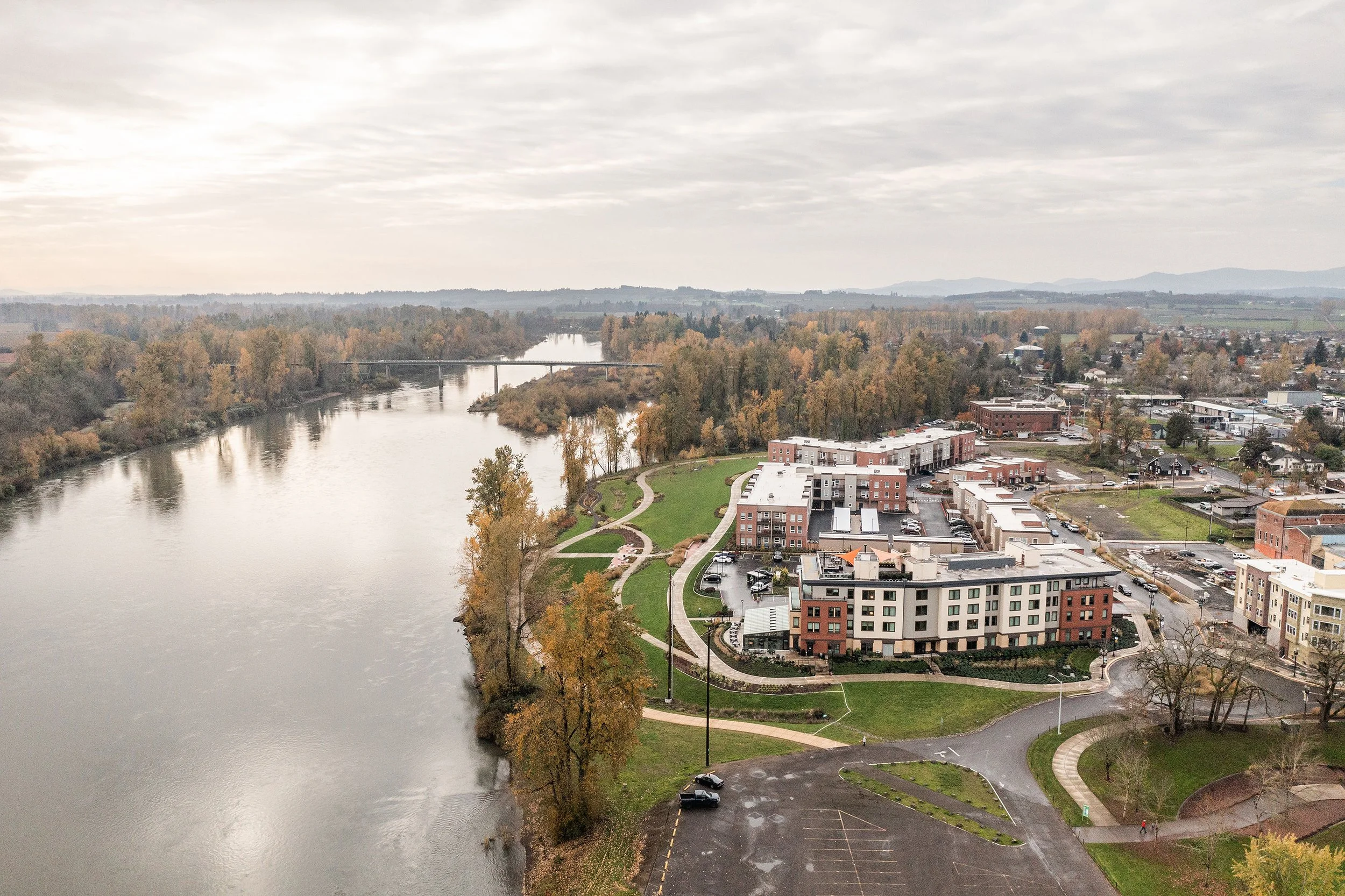
Rural communities are often underestimated.
We have fewer resources, smaller teams, and tighter budgets. But we also have deep relationships, strong identities, and a willingness to build what we need rather than wait for someone else to do it.
My work in community and economic development is rooted in a simple belief: rural communities can lead in innovation — if we invest in systems that support local people.
Innovation here doesn’t mean chasing trends. It means strengthening infrastructure, building partnerships, and creating environments where entrepreneurs, students, and small businesses can succeed without leaving home.
Indy Commons
Building Local Infrastructure
Entrepreneurship is hard anywhere. It’s harder in rural places where access to space, capital, and peer support can be limited.
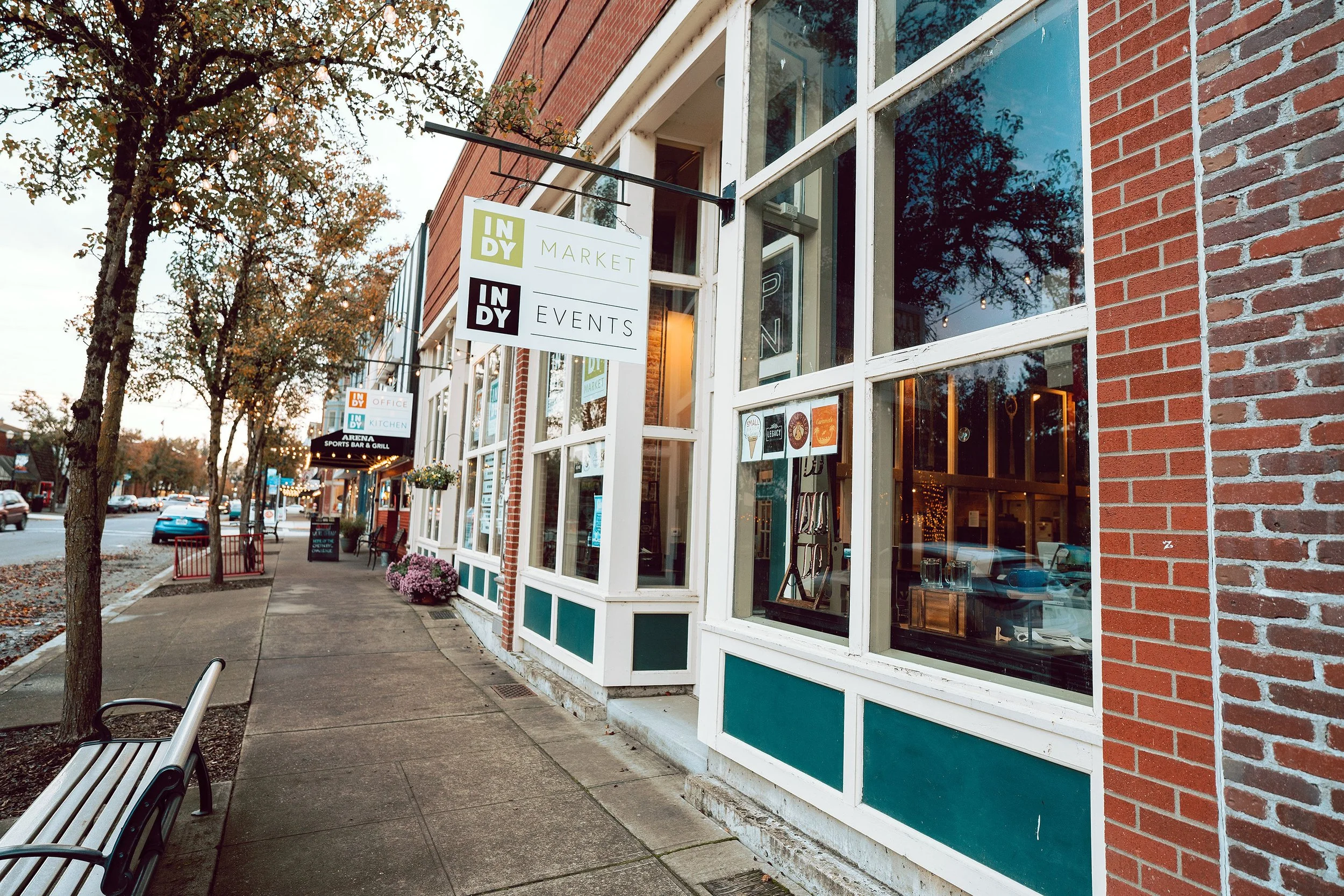
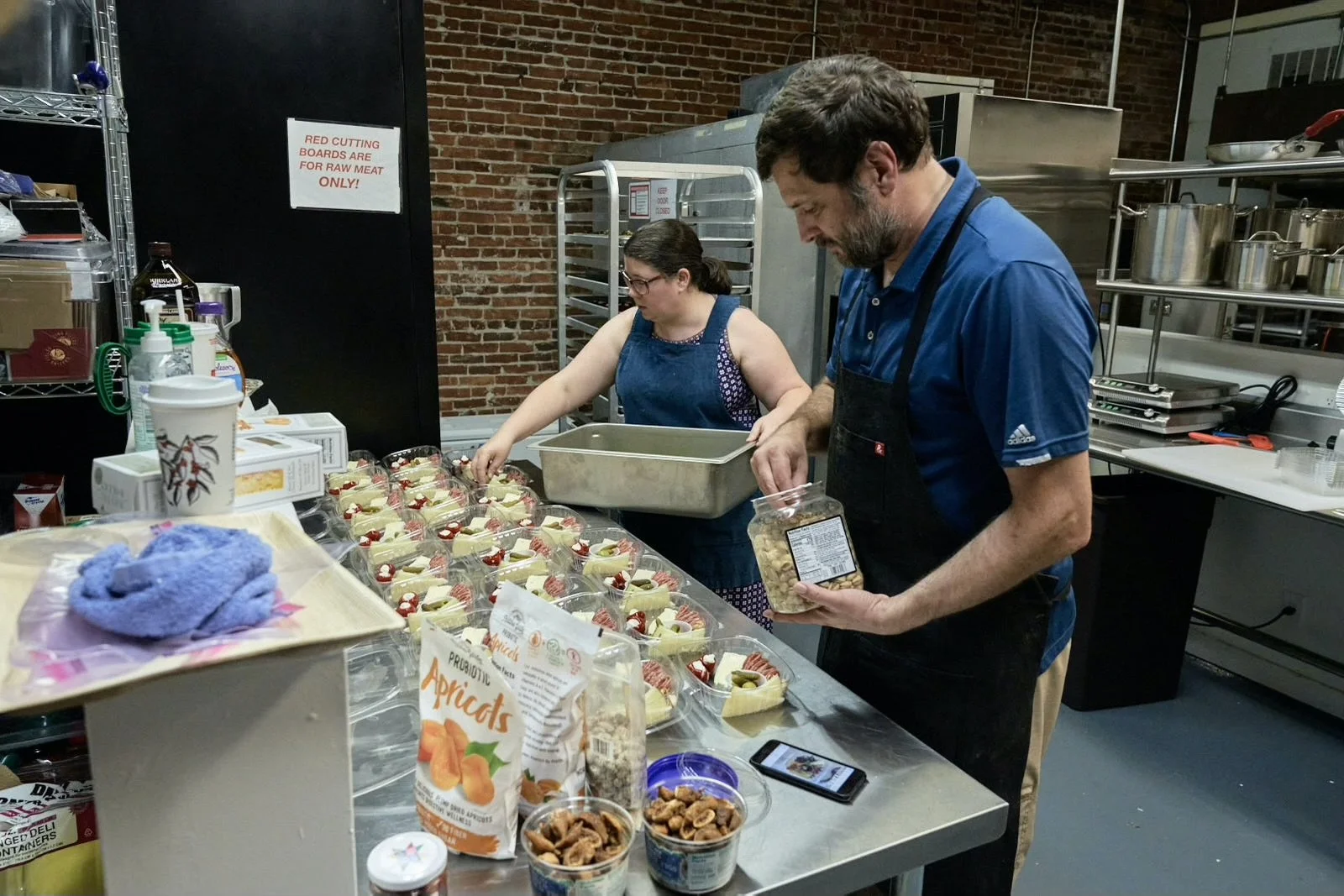
Indy Commons was created as practical infrastructure — coworking, a commercial kitchen, and a small retail hub — designed to lower barriers for early-stage businesses.
But more than space, it offers community. Shared environments create accountability, mentorship, and momentum. When entrepreneurs can see one another building, progress accelerates.
Indy Idea Hub
Strengthening the Ecosystem
If Indy Commons is about physical infrastructure, Indy Idea Hub is about system-building.
As a nonprofit, Indy Idea Hub focuses on strengthening the broader rural entrepreneurial ecosystem — connecting small businesses to regional partners, supporting farm and food innovation, and ensuring rural voices are present in larger economic conversations.
Sustainable economic development requires alignment: local effort connected to regional strategy and state-level investment. Rural communities should not be an afterthought in innovation systems.
Teaching
Western Oregon University
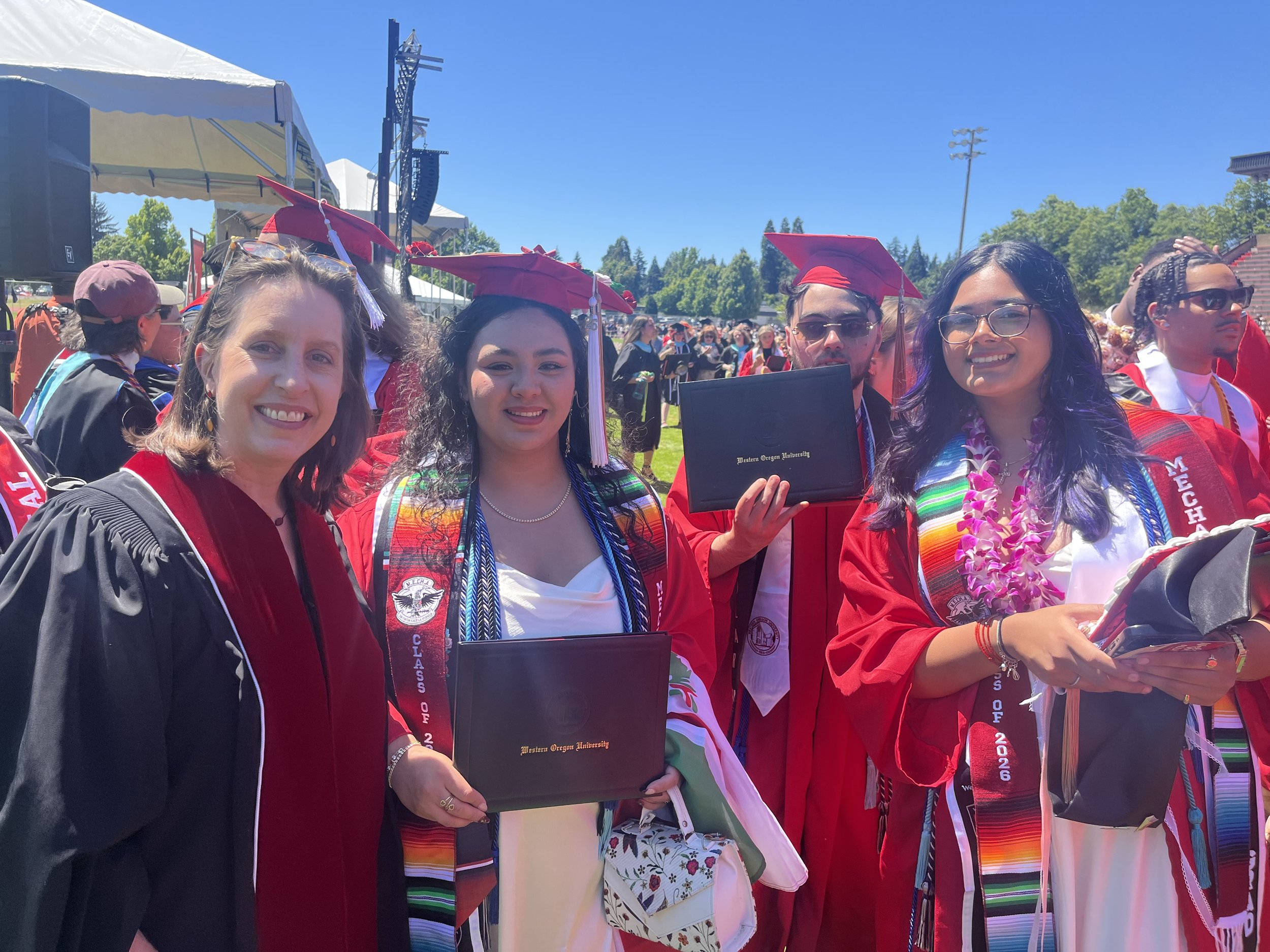
I teach entrepreneurship at Western Oregon University, working with students — many of whom are first-generation college attendees — to help them test ideas, understand markets, and think practically about building something of their own.
Teaching keeps my economic development work grounded in people. It’s not just about strategy or infrastructure; it’s about confidence, capability, and learning how to navigate risk.
Many students want to stay in this region after graduation. Supporting them in developing entrepreneurial skills strengthens the long-term economic resilience of our community.
Why Rural Innovation Matters
Rural communities cannot rely solely on external recruitment for economic growth. We must also invest in the people who already live here — the farmers, makers, students, small business owners, and creative thinkers who care deeply about their hometowns.
Rural innovation means building the infrastructure, partnerships, and culture that allow those individuals to succeed.
It’s steady work. It’s relational work. And it’s work I care deeply about.