
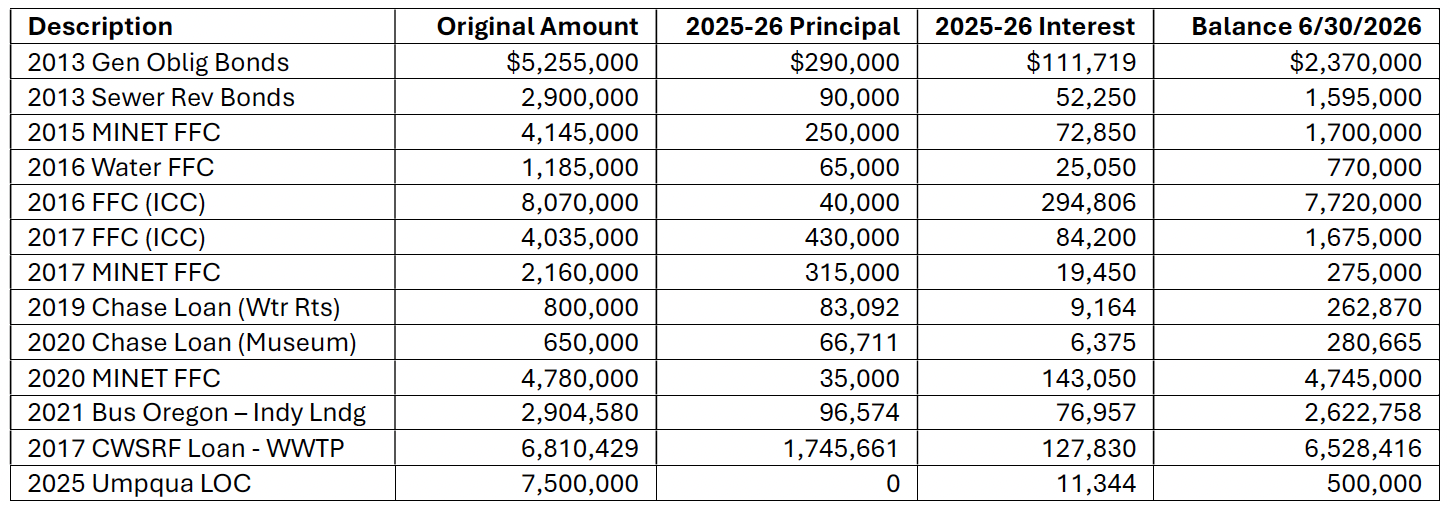
The Bill Comes Due: Understanding Independence's Debt
Debt isn't automatically bad, especially for a city. For example, if Independence needs to build a wastewater treatment facility that will serve the community for decades, it may not make sense—or even be possible—to save enough cash to pay for the entire project before beginning construction. Borrowing allows the cost of a long-lived asset to be spread over the years in which people will benefit from it.
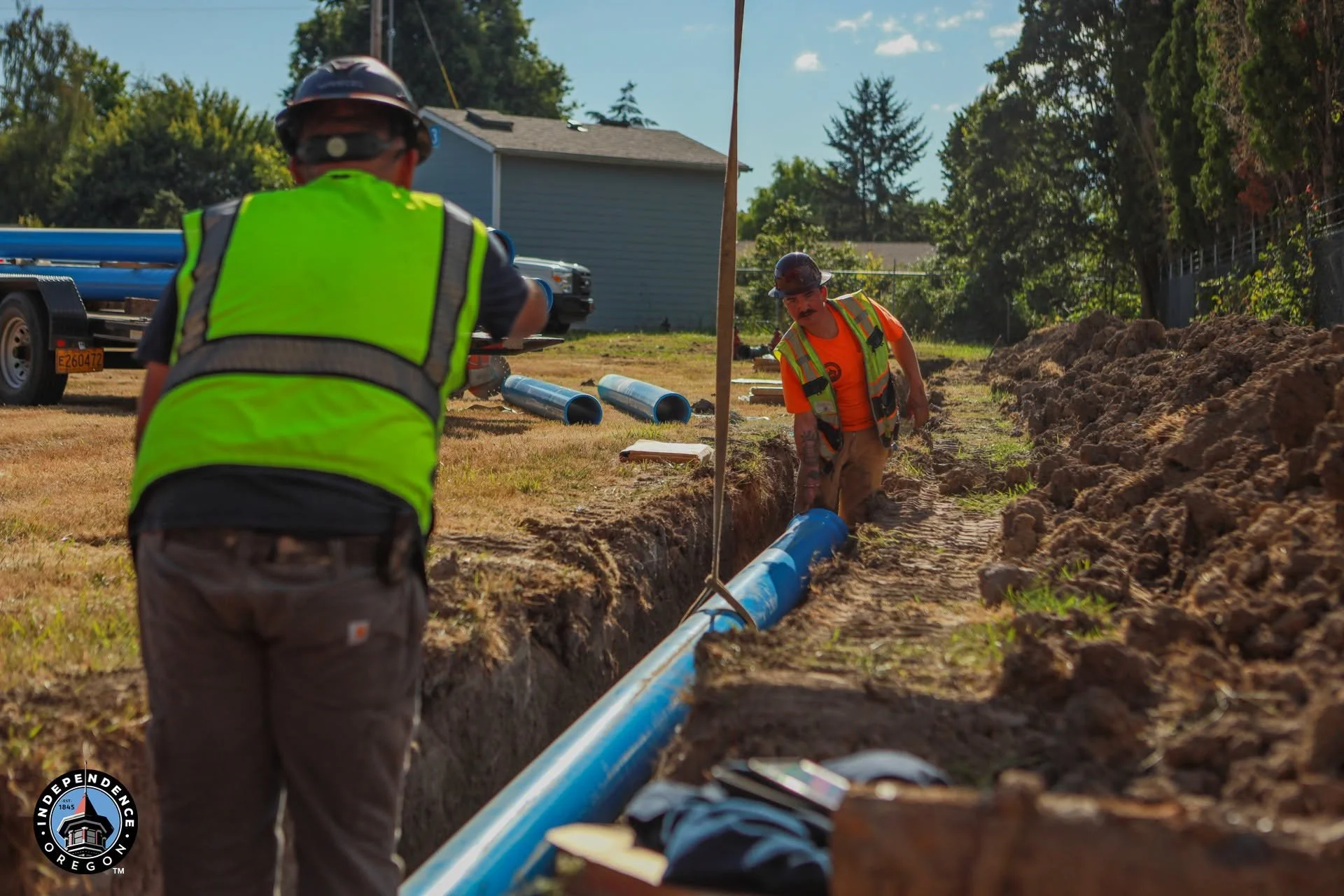
Following the Money: What Your Utility Bill Tells Us About How We Got Here
If you get a City of Independence utility bill every month, you've probably looked at it at some point and wondered how we arrived at that number. Who decides what we pay for water and sewer? Why do those rates increase? What happens to the money after we pay it? And, given everything we've been talking about lately regarding interfund transfers and loans, were our utility dollars always being used for our utilities?

An Idea Worth Studying Is Not Yet a Solution
When our community is facing a serious financial challenge, we should be willing to examine every reasonable idea. That includes consolidating facilities, selling property, sharing staff responsibilities, expanding partnerships and asking whether city-owned spaces are being put to their best use.
How We Got Here—and Why We Can’t Keep Pretending
The referendum did not create the underlying deficit, but it did remove the funding that would have kept these services operating while the community considered its longer-term future.
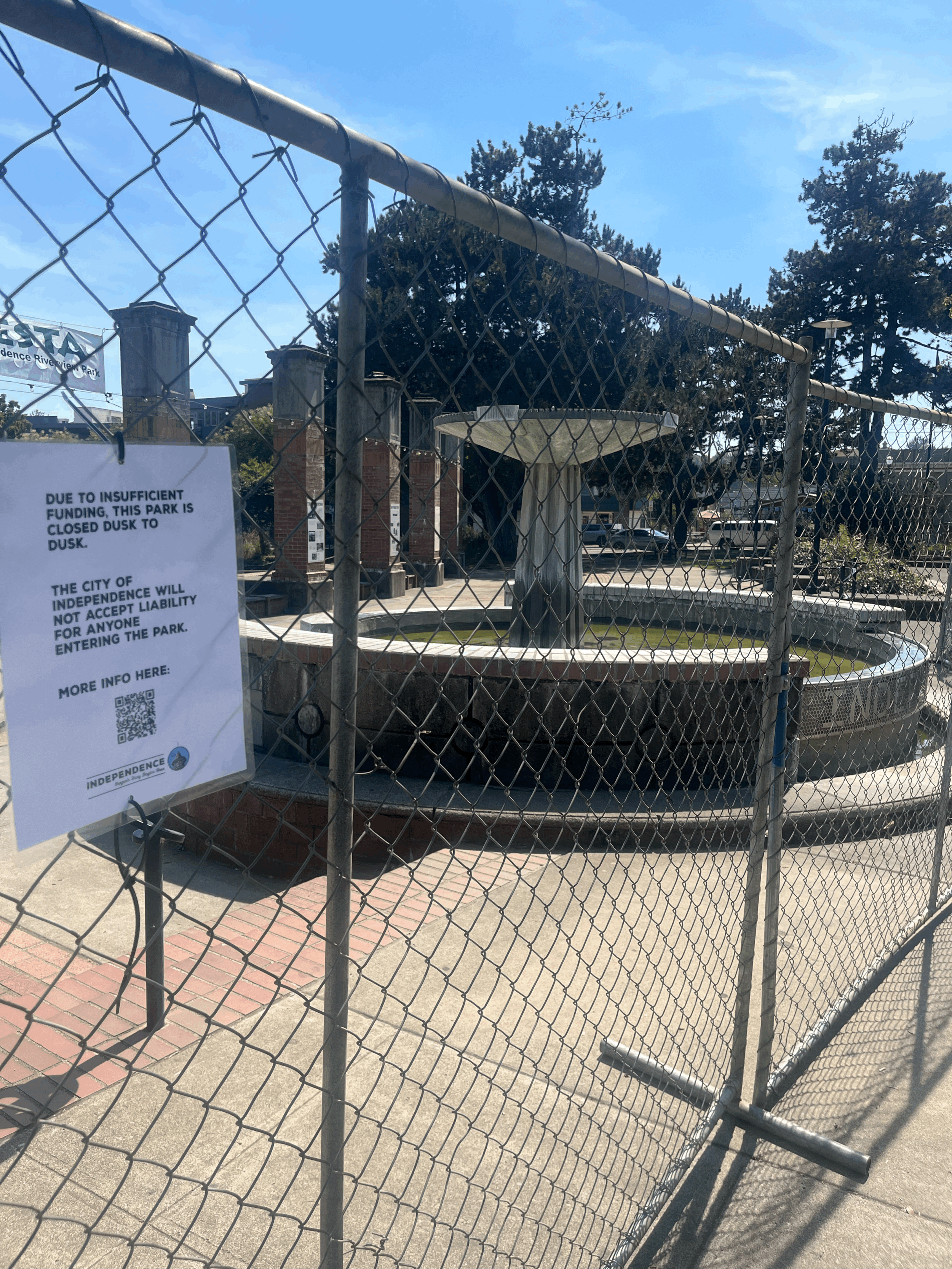
Why Our Parks Are Closing—and What Comes Next
The Difficult Truth About Funding Our Community Services